Top Homeowners Insurance Policies for Renovated Interiors: A Comprehensive Guide
Delve into the realm of top homeowners insurance policies for renovated interiors, where the fusion of style and protection creates a captivating narrative. From common renovations to coverage needs, this guide navigates through the intricacies with finesse and expertise.
Explore the nuances of insurance coverage for renovated interiors, ensuring homeowners are equipped with the knowledge needed to safeguard their investments.
Overview of Renovated Interiors in Homes
Renovating the interiors of a home is a common practice among homeowners looking to update, modernize, or personalize their living spaces. These renovations can range from small cosmetic changes to major structural alterations, depending on the homeowner's preferences and budget.
Homeowners often undertake interior renovations such as:
- Updating kitchen cabinets and countertops
- Installing hardwood flooring or new carpeting
- Remodeling bathrooms with new fixtures and tiles
- Adding a fresh coat of paint to walls and ceilings
- Upgrading lighting fixtures for better ambiance
Importance of Homeowners Insurance for Renovated Interiors
Homeowners insurance is essential for protecting your investment in the event of unforeseen circumstances such as natural disasters, fires, or theft. When you renovate your home's interiors, it's crucial to update your insurance policy to reflect the changes made.
Renovations can increase the value of your home, so it's important to ensure that your insurance coverage is adequate to cover the cost of rebuilding or repairing the renovated areas in case of damage. Without the proper coverage, you could be left with significant financial losses if disaster strikes.
How Renovations Can Impact Homeowners Insurance Policies
Renovations can impact homeowners insurance policies in several ways:
- Increased Replacement Cost: Renovations can raise the replacement cost of your home, leading to higher insurance premiums.
- Enhanced Coverage Needs: Additional features or upgrades may require specialized coverage to protect against specific risks.
- Liability Risks: Renovations can introduce new liability risks, such as injuries to contractors or guests during the construction process.
- Documentation Requirements: Insurers may request documentation of renovations to accurately assess the value of your home and determine the appropriate coverage.
Key Considerations for Homeowners Insurance Policies
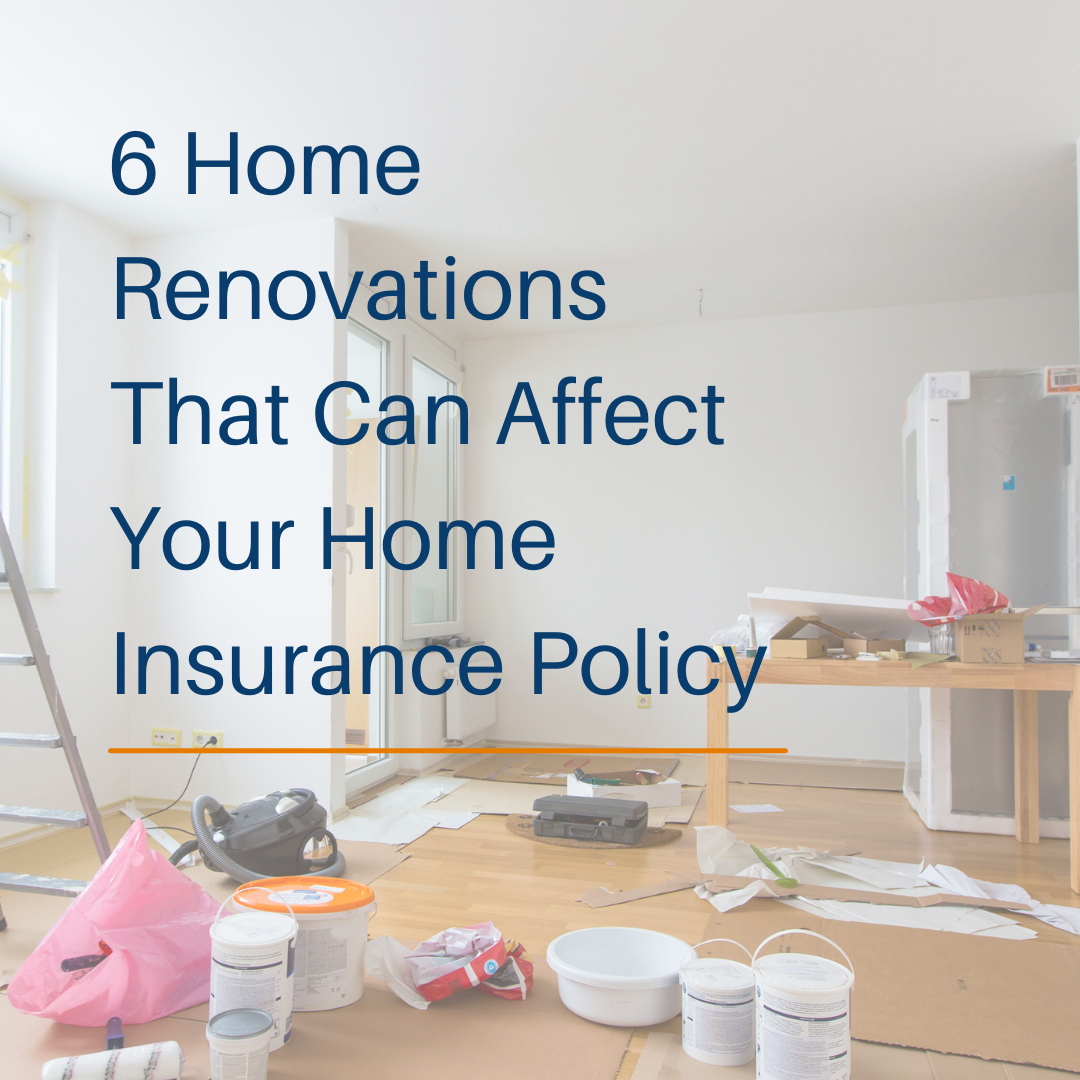
When it comes to homeowners insurance for homes with renovated interiors, there are several key considerations to keep in mind to ensure adequate coverage and protection for your investment.
Specific Coverage Needs for Homes with Renovated Interiors
Renovated interiors often involve upgrades that may not be covered under a standard homeowners insurance policy. It is important to assess the specific changes made to your home and determine if additional coverage is needed to protect these enhancements.
Comparison of Coverage Options for Structural Changes vs. Cosmetic Upgrades
Structural changes, such as adding square footage or upgrading plumbing/electrical systems, may require different coverage than cosmetic upgrades like new paint or flooring. Understanding the difference between these types of renovations will help you choose the right coverage options.
Adjusting Policy Limits Based on Renovation Costs
Renovations can significantly increase the value of your home, which may require adjusting your policy limits to ensure adequate coverage. It is essential to reevaluate your coverage limits periodically to account for any changes in renovation costs and home value.
Top Homeowners Insurance Providers for Renovated Interiors
When it comes to insuring renovated homes, choosing the right insurance provider is crucial. Here are some reputable insurance companies known for covering renovated interiors:
Allstate
Allstate is a well-known insurance provider that offers coverage for renovated homes. They stand out for their comprehensive policies that can be tailored to fit the specific needs of homeowners with renovated interiors.
State Farm
State Farm is another top insurance provider that offers coverage for homes with renovations. They provide flexible policies that take into account the increased value of the renovations, ensuring that homeowners have adequate coverage.
Chubb
Chubb is a high-end insurance provider that specializes in covering luxury homes, including those with renovated interiors. They assess the value of renovations meticulously to ensure that homeowners have the right level of coverage for their upgraded homes.
Liberty Mutual
Liberty Mutual is known for its customizable homeowners insurance policies, which can be adjusted to cover renovated interiors
Travelers
Travelers is a trusted insurance provider that offers coverage for homes with renovations. They have a team of experts who assess the value of renovations accurately to determine the coverage needed for homeowners with upgraded interiors.
Ensuring Adequate Coverage for Renovated Interiors
After completing renovations on your home, it's crucial to ensure that you have adequate insurance coverage to protect your investment. Here are some tips to help you navigate this process:
Regular Policy Reviews and Updates
- Regularly review your homeowners insurance policy to ensure it reflects the current value of your renovated interiors.
- Update your policy to include any new additions, upgrades, or renovations to your home.
- Consider increasing your coverage limits to account for the increased value of your home post-renovation.
Documenting Renovations for Insurance Purposes
Proper documentation of the renovations done in your home is essential for insurance purposes. Here's how you can go about it:
- Keep detailed records of all renovations, including receipts, contracts, and before-and-after photos.
- Consider hiring a professional appraiser to assess the value of the renovations and provide a detailed report.
- Inform your insurance provider about the renovations and provide them with all the necessary documentation.
Common Exclusions and Add-Ons for Renovated Interiors

When it comes to homeowners insurance policies for renovated interiors, there are specific exclusions and add-ons that homeowners need to be aware of to ensure adequate coverage for their upgraded homes.
Common Exclusions in Homeowners Insurance Policies for Renovations
- Normal Wear and Tear: Insurance typically does not cover damage caused by normal wear and tear, which can be a common issue in older homes undergoing renovations.
- Unpermitted Work: Any renovations or improvements done without the proper permits may not be covered by insurance in case of damage or loss.
- Business Activities: If you run a business from your home after the renovation, any damage related to business activities may not be covered under a standard homeowners policy.
Add-Ons or Endorsements to Enhance Coverage for Renovations
- Flood Insurance: Standard homeowners insurance policies typically do not cover flood damage, so adding a separate flood insurance policy can provide additional coverage for renovated interiors.
- Guaranteed Replacement Cost Coverage: This add-on ensures that your home will be rebuilt to its original state, even if the cost exceeds your policy limit, which can be crucial for homes with extensive renovations.
- Eco-friendly Upgrades: If you've made environmentally friendly upgrades to your home during renovations, consider adding an endorsement that covers the additional cost of eco-friendly materials in case of damage.
How Endorsements Customize Coverage for Specific Renovation Types
Adding endorsements to your homeowners insurance policy allows you to tailor your coverage to the specific renovations you've made to your home. Whether it's adding coverage for high-end finishes, smart home technology, or historic preservation features, endorsements can provide the extra protection needed to safeguard your investment in your renovated interiors.
Concluding Remarks

As we conclude this insightful journey into homeowners insurance for renovated interiors, the importance of adequate coverage and tailored policies shines through. Armed with this knowledge, homeowners can confidently navigate the world of insurance with clarity and assurance.
Top FAQs
What are some common interior renovations homeowners undertake?
Common interior renovations include kitchen remodels, bathroom upgrades, flooring replacements, and painting walls.
How can homeowners ensure they have adequate coverage post-renovation?
Homeowners can ensure adequate coverage by updating their policy limits to reflect the increased value of their renovated interiors and by documenting the renovations for insurance purposes.
What are some common exclusions in homeowners insurance policies for renovations?
Common exclusions may include wear and tear, faulty workmanship, and certain types of water damage.
How do insurance providers assess the value of renovations for coverage purposes?
Insurance providers may assess the value of renovations by considering the cost of the renovations, the materials used, and the impact of the renovations on the overall value of the home.