Pipedrive vs HubSpot CRM Cost Comparison: Unveiling the Pricing Battle
Embark on a journey through the realm of Pipedrive vs HubSpot CRM cost comparison, where we delve into the intricacies of pricing structures and features to uncover the ultimate value proposition. Brace yourself for a detailed exploration that will shed light on the differences between these two popular CRM platforms.
Cost Breakdown
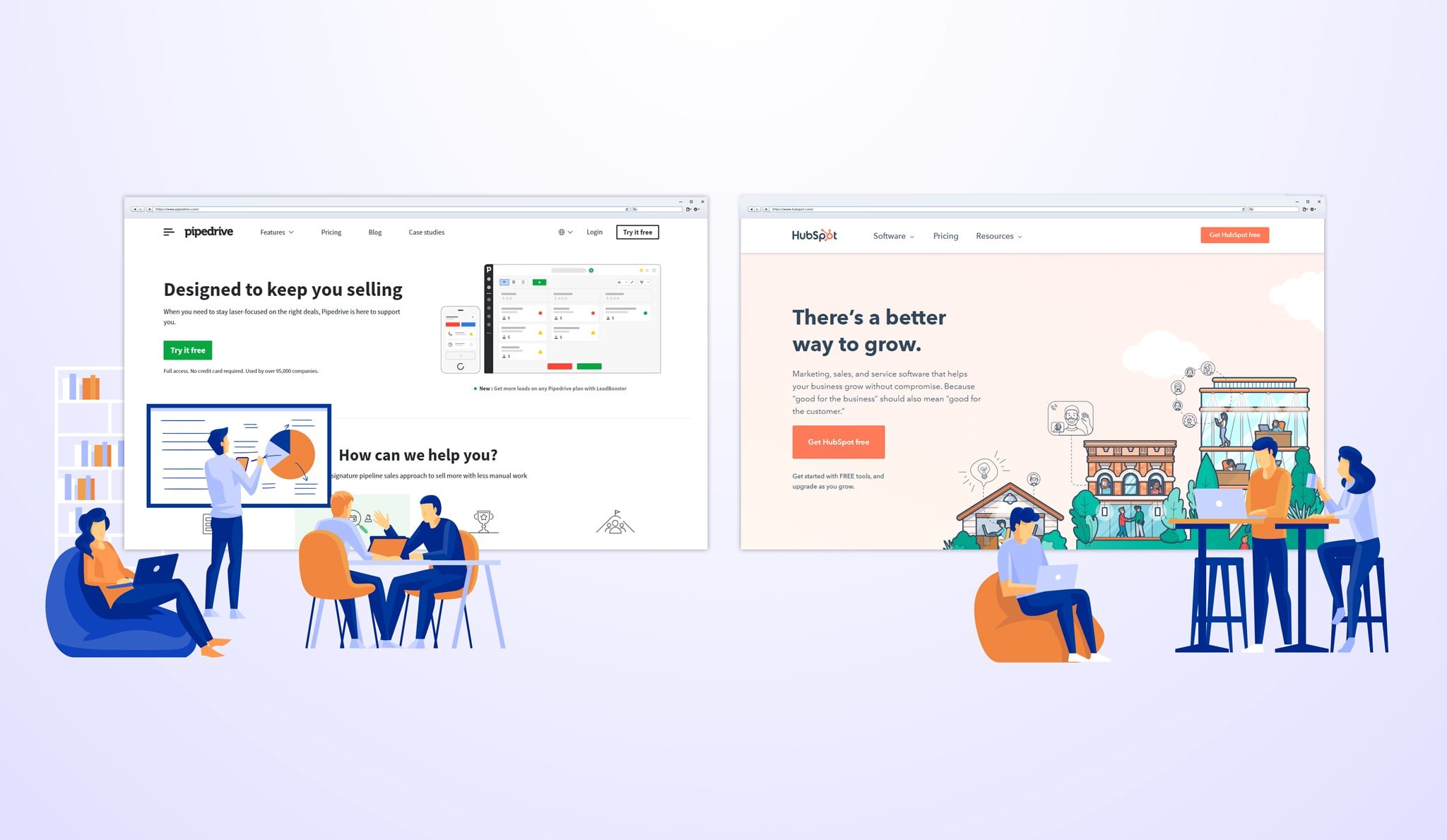
When comparing the pricing structures of Pipedrive and HubSpot CRM, it is essential to consider the different tiers offered by both platforms as well as any hidden costs or additional fees that may be involved.
Pricing Tiers
- Pipedrive: Pipedrive offers four pricing tiers - Essential, Advanced, Professional, and Enterprise. The Essential plan starts at $12.50 per user per month billed annually, while the Enterprise plan is priced at $99 per user per month billed annually.
- HubSpot CRM: HubSpot CRM also offers four pricing tiers - Free, Starter, Professional, and Enterprise. The Free plan is, as the name suggests, free to use, while the Enterprise plan is priced at $1200 per month billed annually.
Additional Costs
- Pipedrive: While Pipedrive's pricing is straightforward, it is important to note that there may be additional costs for add-ons or integrations, depending on the specific needs of your business.
- HubSpot CRM: HubSpot CRM may include additional costs for advanced features, integrations, or training services, which could add to the overall cost of using the platform.
Features Comparison
When comparing Pipedrive and HubSpot CRM, it's essential to look at the features each platform offers to determine which one suits your business needs better.
Key Features of Pipedrive and HubSpot CRM
- Pipedrive:
- Intuitive sales pipeline management
- Email integration
- Customizable workflow automation
- Contact and deal management
- Goal tracking and reporting
- HubSpot CRM:
- Marketing automation integration
- Lead scoring and tracking
- Customer support ticketing
- Social media management
- Advanced analytics and reporting
Comparison of Features
- Similarities:
- Both offer contact and deal management
- Both provide reporting and analytics tools
- Both support integration with other tools and platforms
- Differences:
- Pipedrive focuses more on sales pipeline management, while HubSpot CRM offers a wider range of marketing and customer service features
- HubSpot CRM includes marketing automation tools, which are not present in Pipedrive
- Pipedrive is known for its simplicity and ease of use, while HubSpot CRM offers a more comprehensive suite of tools
Value for Money
When considering the features provided by both Pipedrive and HubSpot CRM, the choice between the two will depend on your business requirements. If you are primarily focused on sales and want a user-friendly interface, Pipedrive may offer better value for money.
However, if you need a CRM that integrates marketing, sales, and customer service functionalities, HubSpot CRM could be the more cost-effective option.
Customization Options
When it comes to CRM systems like Pipedrive and HubSpot CRM, the ability to customize the platform to suit your specific business needs can make a significant difference in your overall efficiency and effectiveness. Let's explore how these two CRMs stack up in terms of customization options.
Pipedrive
Pipedrive offers a high level of customization options, allowing users to tailor the CRM to fit their unique requirements. Some key customization features include:
- Customizable pipelines: Users can create multiple pipelines with different stages to match their sales process.
- Custom fields: Pipedrive allows users to add custom fields to their contacts, deals, and other records to capture specific information relevant to their business.
- Customizable dashboards: Users can create personalized dashboards to track key metrics and performance indicators that matter most to them.
HubSpot CRM
HubSpot CRM also provides a range of customization options to help users adapt the platform to their unique business needs. Here are some of the customization features offered by HubSpot CRM:
- Custom properties: Users can create custom properties to store additional information about contacts, companies, deals, and tickets.
- Custom views: HubSpot CRM allows users to create custom views to filter and organize their data based on specific criteria.
- Custom reporting: Users can build custom reports to analyze data and track performance based on their unique requirements.
Integration Possibilities
When it comes to CRM systems like Pipedrive and HubSpot, the ability to integrate with other tools and software is crucial for optimizing workflow efficiency and productivity. Let's explore the integration options available for these two platforms and compare their ease of use.
Pipedrive Integration Options
Pipedrive offers a wide range of integration possibilities to streamline your sales and marketing processes. Some popular integrations include:
- Google Workspace: Sync your emails, contacts, and calendar events seamlessly with Pipedrive.
- Zapier: Connect Pipedrive with hundreds of other apps to automate workflows and eliminate manual data entry.
- Xero: Integrate your accounting software with Pipedrive to manage invoices and payments more efficiently.
HubSpot CRM Integration Options
HubSpot CRM also provides a variety of integration options to enhance your marketing and sales efforts. Some popular integrations include:
- Mailchimp: Sync your email marketing campaigns with HubSpot CRM to track performance and engagement.
- Salesforce: Connect HubSpot CRM with Salesforce to streamline lead management and data synchronization.
- Slack: Integrate Slack with HubSpot CRM to enhance communication and collaboration within your team.
User Experience
In the realm of CRM software, user experience plays a crucial role in determining the overall success and satisfaction of the users. Let's delve into the user-friendliness and notable differences in user experience between Pipedrive and HubSpot CRM.
Pipedrive
Pipedrive is known for its intuitive and easy-to-navigate interface, making it a favorite among sales professionals. The dashboard is clean and organized, allowing users to quickly access the information they need without feeling overwhelmed. The drag-and-drop functionality for moving deals through the sales pipeline adds a level of interactivity that enhances the user experience.
Additionally, the customizable views and filters make it easy for users to tailor the platform to their specific needs.
HubSpot CRM
HubSpot CRM also offers a user-friendly interface, but it may appear more cluttered compared to Pipedrive. The platform provides a wealth of features and tools, which can sometimes lead to a steeper learning curve for new users. However, HubSpot CRM excels in providing in-depth customer insights and analytics, allowing users to make data-driven decisions.
The platform's automation features streamline processes, but they may require more configuration upfront.The user experience of both Pipedrive and HubSpot CRM significantly impacts user satisfaction and productivity. A more user-friendly interface can lead to quicker adoption rates among team members and increased efficiency in managing leads and deals.
On the other hand, a complex interface may deter users from fully utilizing the CRM's capabilities, affecting overall performance and effectiveness in sales processes.
Wrap-Up
As we conclude our discussion on Pipedrive vs HubSpot CRM cost comparison, it becomes evident that the choice between these platforms hinges on a careful analysis of cost, features, customization options, integration possibilities, and user experience. With this comprehensive understanding, businesses can make informed decisions to elevate their CRM strategies.
FAQ Compilation
What are the hidden costs associated with Pipedrive and HubSpot CRM?
Answer: While both platforms offer transparent pricing structures, users should be aware of potential additional fees for premium features or integrations.
Which CRM provides better value for money based on features?
Answer: The choice between Pipedrive and HubSpot CRM largely depends on the specific features that align with a business's needs and budget.
How user-friendly are the interfaces of Pipedrive and HubSpot CRM?
Answer: Both platforms prioritize intuitive designs, but user preferences may vary based on individual workflows and familiarity with CRM systems.