Comparing Policies for Interior Designers vs Exterior Contractors: A Comprehensive Analysis
Exploring the nuanced differences between the policies that govern interior designers and exterior contractors, this analysis delves into the various insurance requirements, licensing regulations, safety standards, and legal considerations that shape these professions.
As we navigate through the intricacies of each role, we uncover how client interactions, project management strategies, and overall industry practices differ between interior designers and exterior contractors.
Policies for Interior Designers
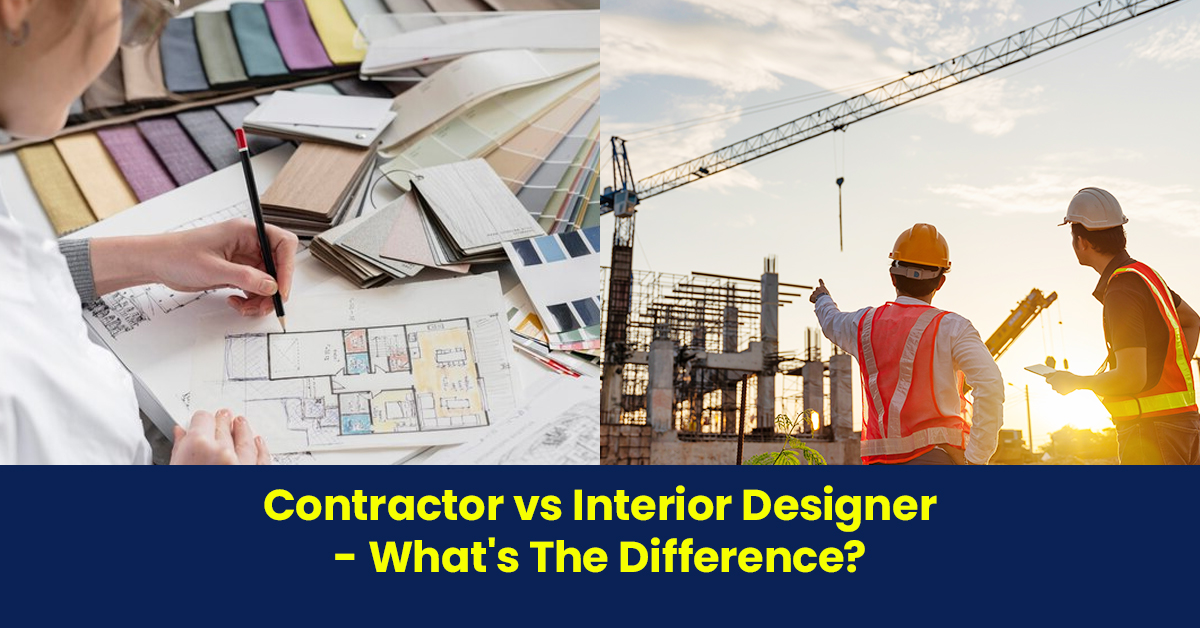
Interior designers are required to have various insurance policies to protect themselves and their clients in case of unforeseen incidents. The typical insurance requirements for interior designers include professional liability insurance, general liability insurance, and possibly property insurance to cover their business assets.
Licensing Regulations
In most states, interior designers are required to be licensed to practice legally. Licensing regulations vary by state but generally involve obtaining a degree in interior design, passing the National Council for Interior Design Qualification (NCIDQ) exam, and completing a certain number of work experience hours under a licensed interior designer.
Safety Standards
Interior designers must adhere to safety standards to ensure the well-being of their clients. This includes following building codes, fire safety regulations, and ensuring that materials used in the design meet safety standards. For example, interior designers must ensure that furniture is flame-retardant and that electrical outlets are installed properly.
Legal Considerations
Legal considerations are crucial for interior designers to protect themselves from liability. They must be knowledgeable about contracts, intellectual property rights, and building regulations to avoid legal disputes with clients or contractors. Additionally, interior designers must ensure that they have the necessary permits for any renovation or construction work they oversee.
Policies for Exterior Contractors
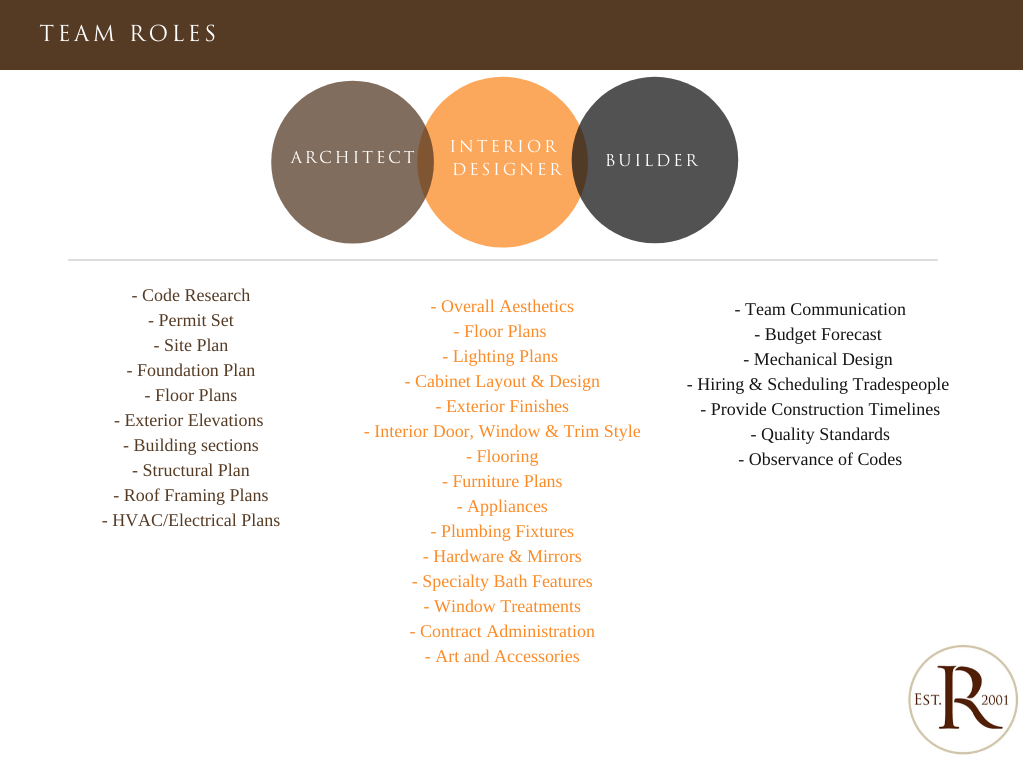
When it comes to policies for exterior contractors, there are several key differences compared to those for interior designers. From insurance needs to safety protocols, let's delve into the specific requirements for exterior contractors.
Insurance Needs
Exterior contractors typically require a different set of insurance policies compared to interior designers. In addition to general liability insurance, exterior contractors often need coverage for property damage, bodily injury, and workers' compensation due to the nature of their work.
Permits and Certifications
Exterior contractors must obtain permits and certifications specific to the type of work they are performing. This may include licenses for roofing, siding, landscaping, or other exterior renovation projects. Compliance with local building codes and regulations is crucial to ensure the safety and quality of the work.
Safety Protocols
Safety is a top priority for exterior contractors, given the risks involved in working at heights or with heavy equipment. Contractors are required to follow strict safety protocols, including using personal protective equipment, implementing fall protection measures, and conducting regular safety training for their employees.
Liability Issues
Exterior contractors face liability issues related to property damage, injuries to workers or third parties, and compliance with building codes. Failure to adhere to safety standards or negligence in the execution of the project can lead to costly lawsuits and damage to the contractor's reputation.
Client Interactions
Interior designers and exterior contractors have distinct approaches when it comes to communicating and interacting with clients. Let's explore how these professionals manage client relationships and expectations throughout their projects.
Interior Designers
Interior designers often establish clear client expectations by conducting thorough consultations at the beginning of a project. During these meetings, designers listen to the client's needs, preferences, and budget constraints to create a detailed design plan. They may use mood boards, sketches, or 3D renderings to help clients visualize the final result.
By setting realistic timelines, discussing material choices, and providing regular updates, interior designers ensure that clients have a good understanding of the project scope from the start
Exterior Contractors
On the other hand, exterior contractors focus on managing client concerns during the construction phase. They often deal with issues related to weather delays, material availability, or unexpected challenges on-site. Contractors maintain open lines of communication with clients by providing updates on progress, addressing any unforeseen issues promptly, and seeking client input on important decisions.
By actively involving clients in the project and addressing their concerns in a timely manner, exterior contractors build trust and ensure client satisfaction.
Importance of Clear Contracts
Both interior designers and exterior contractors rely on clear contracts to protect themselves and their clients. Contracts Artikel project scope, timelines, payment schedules, and responsibilities of each party involved. By clearly defining these terms in writing, professionals can avoid misunderstandings, disputes, or unexpected changes mid-project.
Clear contracts provide a roadmap for the project, establish boundaries, and protect both parties in case of disagreements or disputes.
Project Management
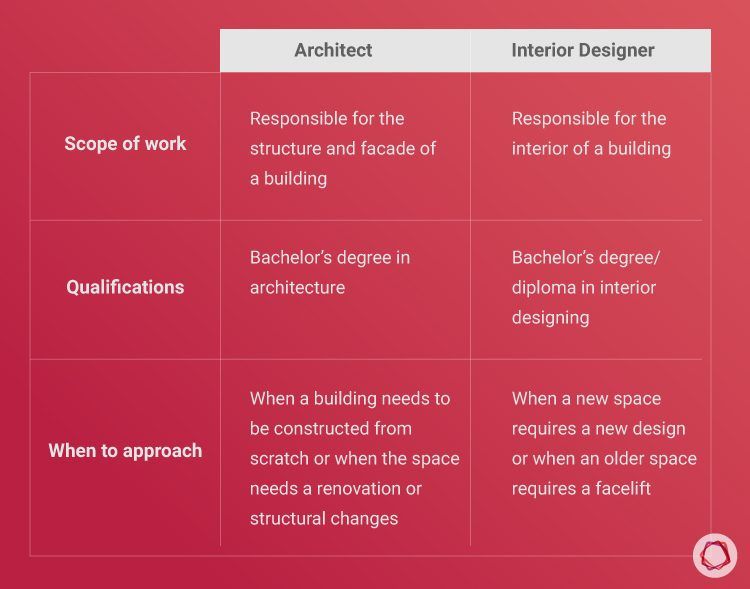
Effective project management is crucial for the successful completion of any interior design or exterior contracting project. Let's delve into the project planning process for interior designers, compare the project execution phase for interior designers and exterior contractors, and explore how both handle unexpected challenges.
Project Planning Process for Interior Designers
Interior designers follow a systematic approach to project planning, which typically involves:
- Initial client consultation to understand requirements and preferences
- Site inspection to assess the space and gather measurements
- Developing design concepts and mood boards for client approval
- Creating detailed floor plans, elevations, and material selections
- Collaborating with contractors and vendors for implementation
Comparison of Project Execution Phase
While interior designers focus on the aesthetics and functionality of indoor spaces, exterior contractors work on the structural and exterior elements of a building. Both roles involve coordinating with clients, suppliers, and subcontractors during the execution phase. Interior designers oversee the installation of furniture, fixtures, and finishes, while exterior contractors manage tasks like roofing, siding, and landscaping.
Handling Unexpected Project Challenges
When faced with unexpected challenges such as material delays or design changes, interior designers and exterior contractors must adapt quickly to keep the project on track. They may need to communicate effectively with clients, adjust timelines, or find alternative solutions to ensure project success.
Successful Project Completion Strategies
Some strategies for successful project completion include:
- Regular communication with clients to provide updates and address concerns
- Effective time management to meet deadlines and avoid delays
- Collaboration with reliable suppliers and contractors for quality workmanship
- Attention to detail to ensure all aspects of the project meet expectations
Final Summary
In conclusion, the comparison between policies for interior designers and exterior contractors highlights the unique challenges and responsibilities each profession faces. By understanding these distinctions, stakeholders in the design and construction industries can make informed decisions to ensure successful project outcomes.
General Inquiries
What are some key safety standards that interior designers must adhere to?
Interior designers must follow safety standards related to fire safety, electrical wiring, and building codes to ensure the well-being of occupants.
How do exterior contractors typically manage client concerns during projects?
Exterior contractors often maintain open communication channels with clients and address concerns promptly to maintain project momentum.
What is the significance of clear contracts for both interior designers and exterior contractors?
Clear contracts help establish expectations, Artikel responsibilities, and mitigate disputes between parties involved in design and construction projects.