The Best CRM for Real Estate and Insurance Brokers
In the fast-paced worlds of real estate and insurance, having the right CRM software can make all the difference. From managing client relationships to streamlining workflow efficiency, finding the best CRM for real estate and insurance brokers is crucial for success.
Let's dive into the key features, integration capabilities, and data security considerations that are essential for professionals in these industries.
Overview of CRM for real estate and insurance brokers
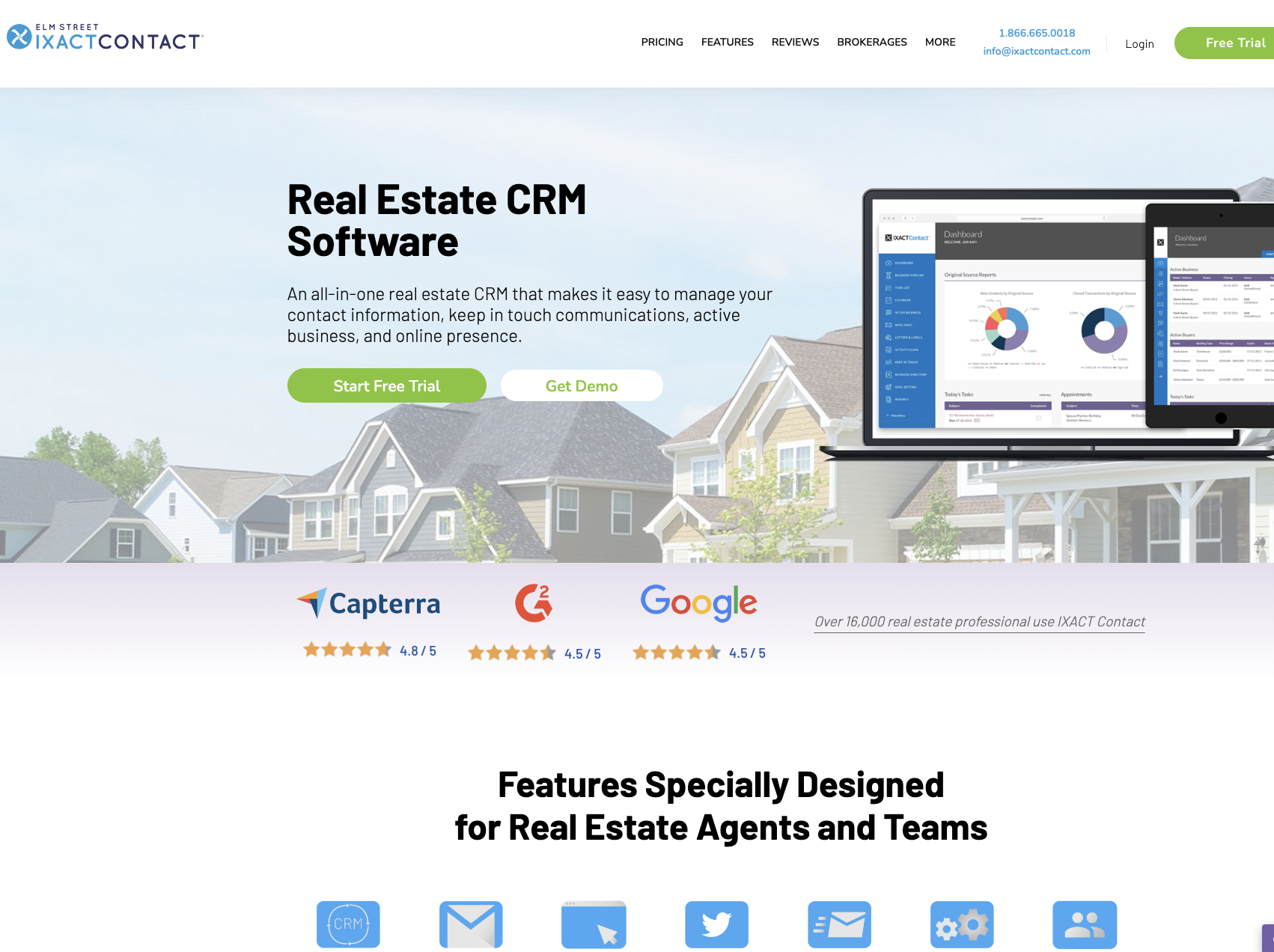
CRM software plays a crucial role in helping real estate and insurance brokers manage and enhance client relationships. By efficiently organizing client data, interactions, and transactions, CRM systems enable brokers to provide personalized services and improve customer satisfaction.
Key Features for CRM Systems in Real Estate and Insurance
- Lead Management: Effectively track and manage leads from various sources to convert them into clients.
- Contact Management: Maintain a centralized database of client contact information and communication history.
- Automated Communication: Schedule automated emails, messages, and notifications to stay in touch with clients.
- Document Management: Store and manage important documents such as contracts, policies, and agreements.
- Task Management: Assign tasks, set reminders, and track progress on client-related activities.
Benefits of Using CRM for Real Estate and Insurance Brokers
- Improved Client Relationships: By having a comprehensive view of client interactions, brokers can offer personalized services and build stronger relationships.
- Enhanced Efficiency: Automation of repetitive tasks and workflows saves time and allows brokers to focus on high-value activities.
- Better Business Insights: Analyze data and metrics to gain valuable insights into client preferences, trends, and performance.
- Increased Productivity: Streamlined processes and centralized data lead to increased productivity and better decision-making.
Key features to look for in a CRM for real estate and insurance brokers
When choosing a CRM system for real estate and insurance brokers, it is essential to consider the key features that will streamline your business operations and enhance client relationships. Here are some crucial features to look for:
Lead Management
Lead management is a vital component for real estate and insurance brokers to efficiently track potential clients and convert leads into customers. A CRM system should offer lead scoring, lead assignment, and lead nurturing tools to prioritize and manage leads effectively.
- Lead scoring: Assign scores to leads based on their interactions with your business, allowing you to focus on high-potential leads.
- Lead assignment: Automatically assign leads to the relevant sales or agent team, ensuring timely follow-ups and personalized communication.
- Lead nurturing: Create automated workflows to engage leads with targeted content and communication, nurturing them through the sales funnel.
Contact Management
Effective contact management is essential for maintaining client relationships and staying organized. A CRM platform should provide robust contact management features to store client information, track interactions, and segment contacts for personalized communication.
- Centralized contact database: Store all client information in one place, including contact details, communication history, and preferences.
- Interaction tracking: Record all interactions with clients, such as calls, emails, and meetings, to provide personalized and informed communication.
- Contact segmentation: Segment contacts based on criteria like location, interests, or transaction history to tailor marketing efforts and communications.
Communication Tools
Effective communication is key for real estate and insurance brokers to build trust and provide exceptional customer service. A CRM system should offer a variety of communication tools to streamline communication with clients and prospects.
- Email integration: Seamless integration with email platforms for sending personalized emails, tracking opens and clicks, and automating email campaigns.
- Text messaging: Send SMS messages directly from the CRM to reach clients quickly and efficiently, improving response rates and engagement.
- Calendar integration: Sync calendars to schedule appointments, set reminders, and manage follow-ups with clients seamlessly.
Integration capabilities with existing tools and systems
When choosing a CRM for real estate and insurance brokers, it is crucial to consider the integration capabilities with existing tools and systems. Seamless integration can significantly enhance workflow efficiency and overall productivity.
Types of integrations
There are several types of integrations that are most beneficial for real estate and insurance brokers:
- Integration with Email Marketing Platforms: CRM systems that integrate with popular email marketing platforms like MailChimp or Constant Contact allow brokers to easily manage and track their email campaigns directly from the CRM.
- Integration with Accounting Software: Integrating CRM with accounting software such as QuickBooks streamlines financial processes, including invoicing and tracking commissions.
- Integration with Real Estate Listing Platforms: Integration with platforms like Zillow or MLS enables brokers to automatically sync property listings and client information, saving time on manual data entry.
Popular integrations and their benefits
Some popular integrations that streamline processes for real estate and insurance brokers include:
- Google Workspace Integration: Syncing CRM with Google Workspace allows brokers to access emails, calendars, and documents seamlessly within the CRM platform, enhancing communication and collaboration.
- DocuSign Integration: Integration with DocuSign enables brokers to electronically sign and manage contracts directly from the CRM, eliminating the need for printing and scanning documents.
- Integration with Social Media Platforms: CRM integration with social media platforms like Facebook or LinkedIn helps brokers track client interactions, engage with leads, and analyze social media marketing efforts.
Data security and compliance considerations
Data security and compliance are crucial aspects for real estate and insurance professionals when choosing a CRM system. With sensitive client information and industry regulations to adhere to, it is essential to ensure that the CRM software in use provides adequate measures for safeguarding data and maintaining regulatory compliance.
Importance of Data Security and Compliance
Real estate and insurance brokers deal with a large volume of confidential client data, including personal and financial information. Any breach or mishandling of this data can have severe consequences, including legal repercussions and damage to the reputation of the professionals involved.
Ensuring compliance with industry regulations such as GDPR, HIPAA, or other data protection laws is non-negotiable. Failure to comply can result in hefty fines and loss of trust from clients.
Measures for Data Protection and Compliance
- Encryption: CRM software should offer encryption features to secure data both in transit and at rest. This ensures that sensitive information is protected from unauthorized access.
- Access Control: Implementing role-based access control within the CRM system helps restrict access to data based on the user's role and responsibilities.
- Audit Trails: Maintaining detailed audit logs allows real estate and insurance professionals to track any changes made to data within the CRM, ensuring accountability and transparency.
- Regular Updates: CRM systems should be regularly updated to patch vulnerabilities and enhance security features to stay ahead of potential threats.
Best Practices for Data Security and Compliance
- Employee Training: Providing comprehensive training on data security best practices to all staff members can help reduce the risk of internal data breaches.
- Data Backup: Regularly backing up CRM data ensures that critical information is not lost in the event of a cyber attack or system failure.
- Compliance Monitoring: Conduct regular audits to ensure that the CRM system is compliant with industry regulations and that data security measures are being effectively implemented.
Conclusive Thoughts
As we wrap up our discussion on the best CRM for real estate and insurance brokers, it's clear that choosing the right software can significantly impact productivity and client satisfaction. By focusing on customization, integration, and security, brokers can elevate their business operations to new heights.
Questions Often Asked
What are the key features to look for in a CRM for real estate and insurance brokers?
Key features include lead management, contact management, and communication tools tailored to the specific needs of these professionals.
How important is data security and compliance in CRM software for these industries?
Data security and compliance are crucial to protect sensitive client information and ensure regulatory adherence. CRM software should have robust measures in place to safeguard data.
Which popular integrations are beneficial for real estate and insurance brokers?
Popular integrations include tools for email marketing, document management, and accounting software to enhance workflow efficiency.