Does Homeowners Insurance Cover Interior Water Damage?
Exploring the realm of homeowners insurance coverage, this article delves into the common question of whether homeowners insurance extends to interior water damage. Get ready to uncover the intricacies and nuances of this essential topic.
Overview of Homeowners Insurance Coverage
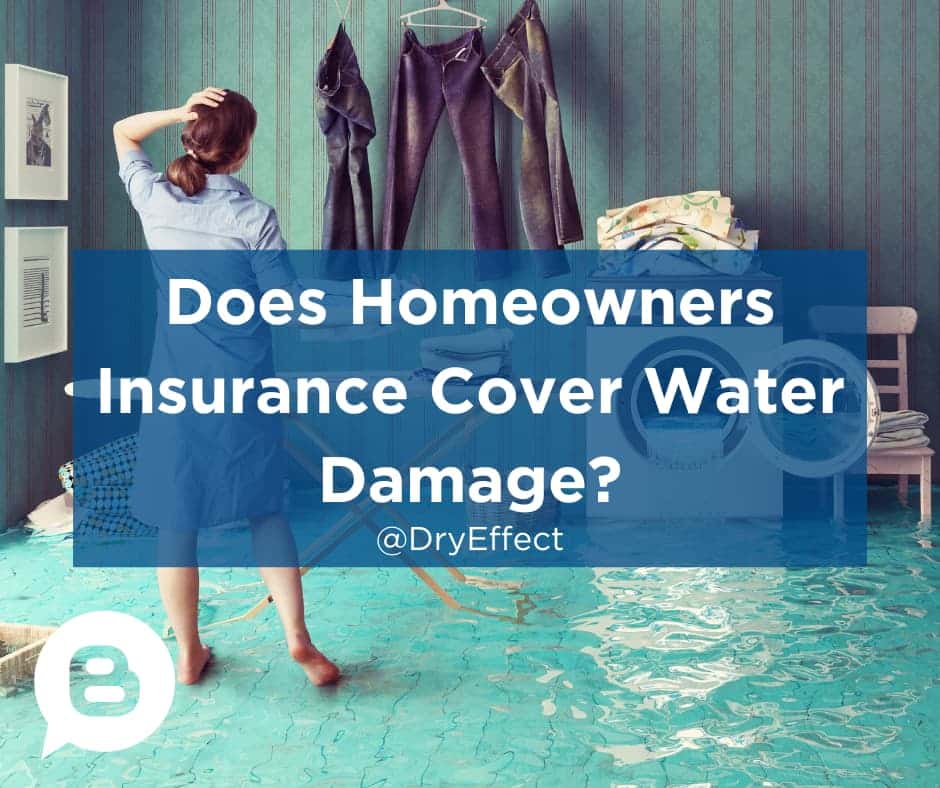
Homeowners insurance is designed to protect your home and personal belongings from unexpected events, including interior water damage. Understanding what your policy covers is crucial to ensure you are adequately protected in case of water damage incidents.
What Homeowners Insurance Typically Covers
- Damage caused by burst pipes or plumbing issues
- Leaking roof (unless caused by lack of maintenance)
- Appliances that leak, such as washing machines or dishwashers
- Accidental overflow from sinks, bathtubs, or toilets
Common Exclusions in Homeowners Insurance Policies
- Flooding from natural disasters like hurricanes or storms
- Sewer backups or sump pump failures
- Gradual water damage from long-term leaks or seepage
- Damage caused by lack of maintenance or neglect
The Importance of Understanding Policy Coverage for Interior Water Damage
It is essential to review your homeowners insurance policy carefully to understand what is covered and what is not when it comes to interior water damage. Being aware of exclusions can help you take preventive measures or consider additional coverage options to fill any gaps in protection.
Causes of Interior Water Damage
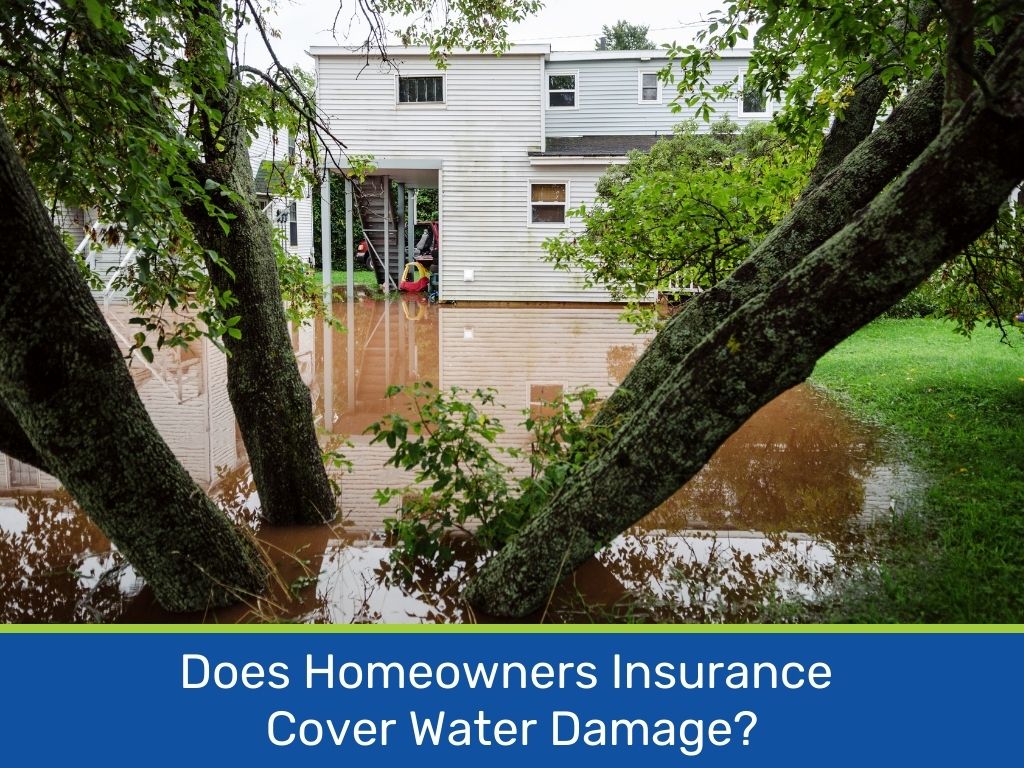
Interior water damage in homes can be caused by various factors, leading to costly repairs and potential health hazards if not addressed promptly. Below are some common causes of interior water damage along with examples of scenarios where they may occur.
Leaking Pipes
- Leaking pipes are a common cause of interior water damage in homes.
- Over time, pipes can deteriorate, leading to cracks or holes that allow water to escape.
- For example, a burst pipe in the basement can result in extensive water damage to the floors, walls, and belongings stored in the area.
Roof Leaks
- Roof leaks can also contribute to interior water damage, especially during heavy rain or snowfall.
- Old or damaged roofing materials can allow water to seep into the attic or ceilings, causing stains, mold growth, and structural damage.
- For instance, a damaged roof shingle can lead to water leaking into the attic, resulting in water damage to the insulation and drywall.
Appliance Malfunctions
- Malfunctioning appliances such as dishwashers, washing machines, and water heaters can cause interior water damage if not properly maintained.
- Leaks or overflowing water from these appliances can damage flooring, cabinets, and nearby walls.
- For example, a faulty dishwasher seal can lead to water leaking onto the kitchen floor, causing damage to the surrounding cabinetry and baseboards.
Coverage for Interior Water Damage

When it comes to interior water damage, homeowners insurance typically covers certain scenarios but may have limitations based on the cause of the damage.
Coverage for Sudden Water Damage vs. Gradual Damage
- Homeowners insurance usually covers sudden and accidental water damage, such as a burst pipe or a malfunctioning appliance that causes a flood in your home.
- However, gradual damage, such as a slow leak that leads to water damage over time, may not be covered by standard homeowners insurance policies.
- It's important to read your policy carefully and understand the specific coverage it provides for different types of water damage.
Filing a Claim for Interior Water Damage
- If you experience interior water damage, the first step is to document the damage with photos or videos to support your claim.
- Contact your insurance provider as soon as possible to report the damage and begin the claims process.
- An adjuster will assess the damage and determine if it is covered by your policy, after which you can proceed with repairs or remediation.
Additional Coverage Options
When it comes to protecting your home from interior water damage, standard homeowners insurance may not always be enough. Luckily, there are optional coverage add-ons that can provide extra protection in specific scenarios.
Flood Insurance
- One important optional coverage to consider is flood insurance, especially if you live in a flood-prone area. Standard homeowners insurance typically does not cover damage caused by flooding, so having a separate flood insurance policy can be crucial.
- Benefits of having flood insurance include coverage for structural damage, personal belongings, and additional living expenses in case your home is uninhabitable due to flooding.
- Examples of situations where flood insurance may be beneficial include heavy rainfall causing a nearby river to overflow, a burst pipe leading to indoor flooding, or melting snow seeping into your home.
Sewer Backup Coverage
- Another optional coverage to consider is sewer backup coverage, which can protect you in case sewage or water backs up into your home through your sewer or drain pipes.
- Benefits of adding sewer backup coverage include coverage for cleaning up and repairing damage caused by the backup, as well as replacing damaged personal property.
- Examples of situations where sewer backup coverage may be beneficial include a clogged sewer line causing sewage to back up into your basement, or heavy rains overwhelming the sewer system and causing water to enter your home.
Conclusion
In conclusion, understanding the coverage provided by homeowners insurance for interior water damage is crucial for safeguarding your home. Stay informed, stay protected.
FAQ Corner
Does homeowners insurance cover water damage from a burst pipe?
Yes, homeowners insurance typically covers water damage from a burst pipe, as it is considered a sudden and accidental event.
Is interior water damage from a leaking roof covered by homeowners insurance?
Homeowners insurance usually does not cover interior water damage from a leaking roof unless the damage was caused by a covered peril like a storm.
Does homeowners insurance cover water damage from a failed sump pump?
Coverage for water damage from a failed sump pump can vary. Some policies may cover it as long as the cause of failure is not due to negligence.